Creative Economy
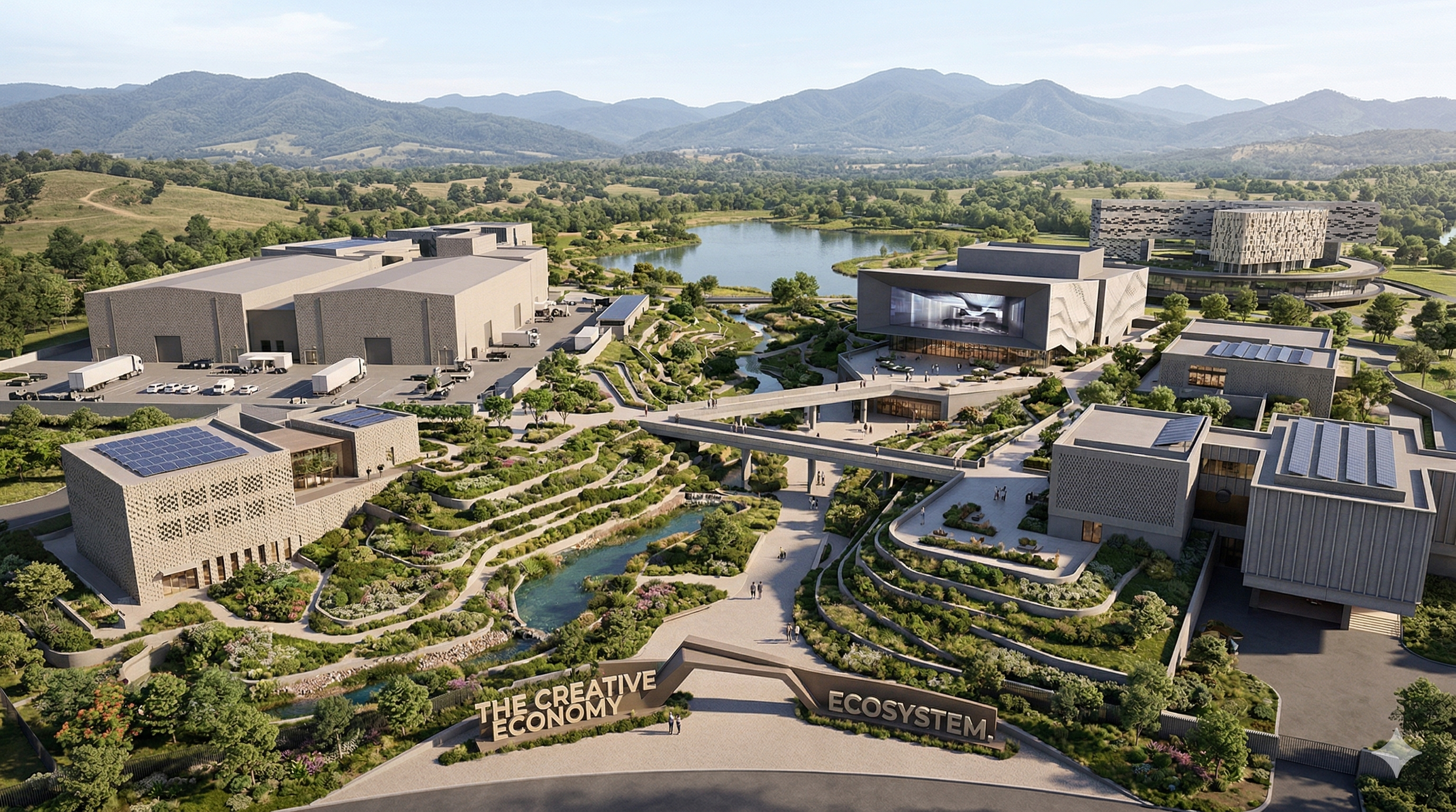
At Lois Eight, the creative economy is understood as a system of economic value. Culture, creativity, and narrative are foundational components of modern capital formation, market influence, and sustainable economic systems.
We believe that when creativity is structured with purpose and aligned with market mechanisms, it becomes a scalable economic infrastructure.
-
The creative economy operates at the intersection of:
cultural production
capital allocation
narrative systems
market structure
It is where ideas are translated into investable assets, and where cultural identity becomes a driver of long-term economic relevance.
Rather than treating creative output as isolated or symbolic, we view it as structured economic value that can be coordinated, scaled, and integrated into broader commercial systems.
-
We engage in the development and structuring of:
Cultural platforms and intellectual property ecosystems
Creative ventures with commercial scalability
Narrative and identity frameworks designed for market relevance
Cross-border cultural and commercial collaborations
These engagements are designed to ensure that creative outputs function as economic assets, not just expressions.
-
We do not separate creativity from economics.
Our approach integrates:
Market insight — understanding how cultural value travels across borders
Capital alignment — structuring creative systems that attract and sustain investment
Execution focus — ensuring that creative assets are designed for real-world deployment and impact
We bridge creative direction with economic structure, enabling cultural output to operate within commercial systems with longevity and relevance.
Creative Economy as Economic Infrastructure
What often appears as culture, media, or design is in fact a system of economic production.
At Lois Eight, we interpret the creative economy as:
A mechanism for capital formation
A driver of cross-border influence and market behavior
A structuring layer for intellectual property and brand value
This shifts creative work from expression to economic architecture.
How Creative Value Becomes Economic Value
We work with creative and cultural systems to translate ideas into structured outcomes through:
-
Organising ideas, narratives, and intellectual property into coherent systems that can scale beyond individual expression.
-
Using design as a mechanism to structure identity, market positioning, and long-term economic relevance.
-
Positioning creative assets in a way that allows engagement with investors, institutions, and cross-border opportunities.
Engagement Scope
Engagements typically include:
Creative economy structuring
Brand and narrative system development
Cross-border cultural or IP positioning
Strategic advisory for creative ventures
Work is structured based on scope, stage, and complexity of the venture.
-
The most valuable creative systems today are not standalone works — they are structured economic ecosystems.
Lois Eight exists to ensure that creative and cultural output is not only seen, but:
organised
positioned
and economically activated
-
We support the development of:
Brand and identity systems with long-term commercial relevance
Cultural and creative assets structured for scale and continuity
Narrative frameworks that operate across markets and jurisdictions
Foundational systems for creative ventures and platforms
Our focus is on ensuring that design outputs are not isolated creative artifacts, but components of broader economic systems.
-
We operate at the intersection of:
creative direction
market understanding
structural design thinking
capital and execution alignment
This allows us to ensure that creative outputs are not only coherent visually or conceptually, but viable within real economic and commercial environments.
We do not design for expression alone—we design for durability, scalability, and alignment with market systems.
-
If the Creative Economy defines the system,
Design is the mechanism that makes it operational.It is the layer where cultural ideas are structured into usable, scalable, and economically functional forms.